About
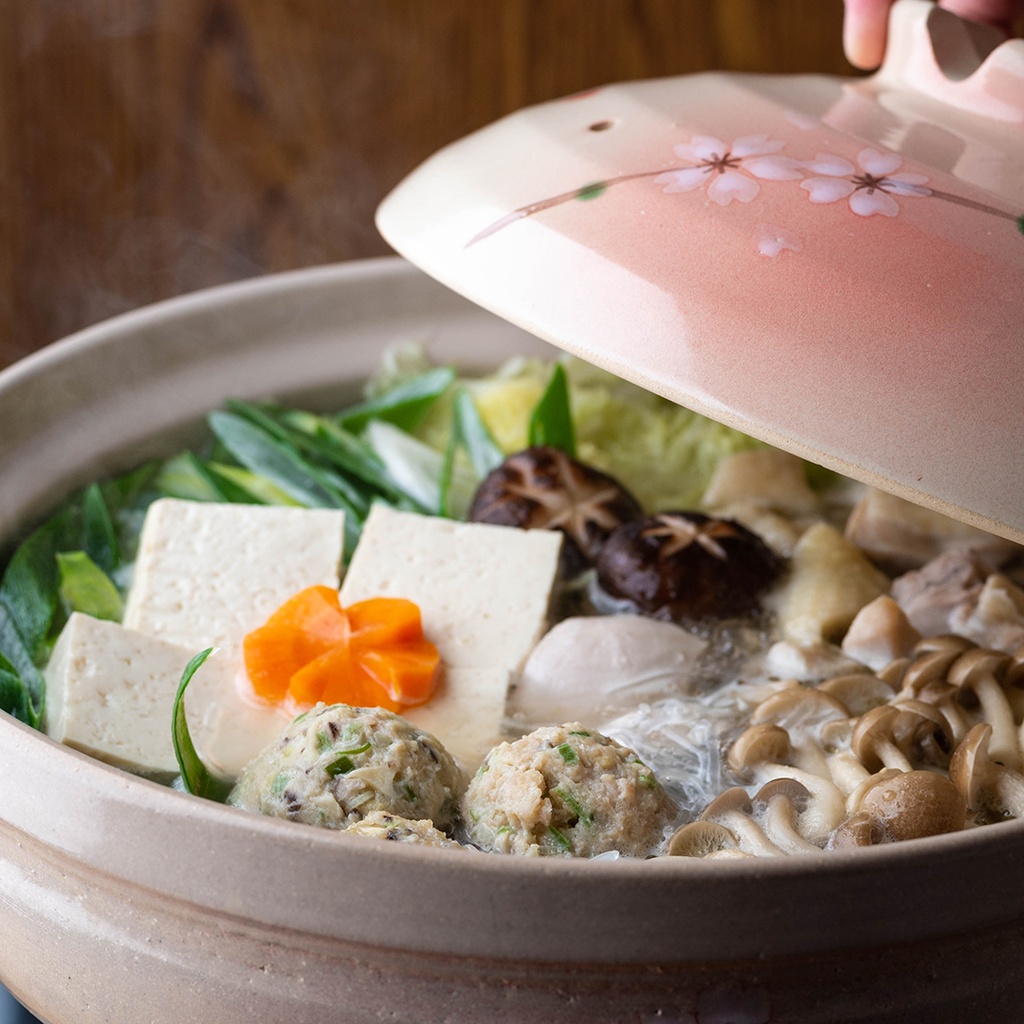
Nabemono is traditional Japanese comfort food, a delicious cure for winter. This one-pot meal is cooked and eaten with friends or family gathered around the table. Join Tracy Matsue Loeffelholz for a hands-on exploration of Washoku food culture, balancing beauty, nutrition, and flavor with the concept of omotenashi (hospitality).
The class will begin with dashi making, a foundational skill for those interested in Japanese home cooking. Our hot pots are then filled with seasonal ingredients and simmered in the seasoned broth, then dipped in savory sauces. The meal is completed with a shime (finishing course) of noodles or rice. And a sip of cold sake. Kampai!
We'll cover:
- How to eat nabe in the shabu shabu style.
- How to make a dashi that brings together three sources of umami.
- How to cook with donabe, the resilient clay pots made from the ancient clays of Mie in Japan.
- How to make nabe meals with common kitchen pots and tools.
- How to substitute ingredients at home, including vegetarian and pescatarian options.
On the menu:
- Mille-Fueille Nabe: This constructed version of shabu shabu layers thinly shaved pork (with beef as an option), napa cabbage, shiitake, and carrots around and around a traditional clay donabe. Served with citrus ponzu dipping sauce with a shime of toasted onigiri.
- Tsukune Shabu Nabe: Shiso ginger chicken meatballs are simmered in a delicate dashi broth along with shrimp and a colorful assortment of winter vegetables. Served with a sweet sesame-miso dipping sauce and a shime of udon noodles.
Details
- Omnivores will enjoy this class. Beef can be substituted for pork.
- BARN’s kitchen facility regularly uses ingredients on the FDA’s major allergens list. This class uses eggs, fish, shellfish, wheat, soybeans, and sesame.
Details
A $25 materials fee, included in the cost of the class, covers all the ingredients you'll need.