About
This workshop explores an exquisite textile surface design technique -- Katazome. Katazome is a paste resist stencil dyeing process that employs a water-soluble rice paste applied to fabric through a cut stencil. The stencil paper is mulberry paper treated with persimmon juice and then smoked.
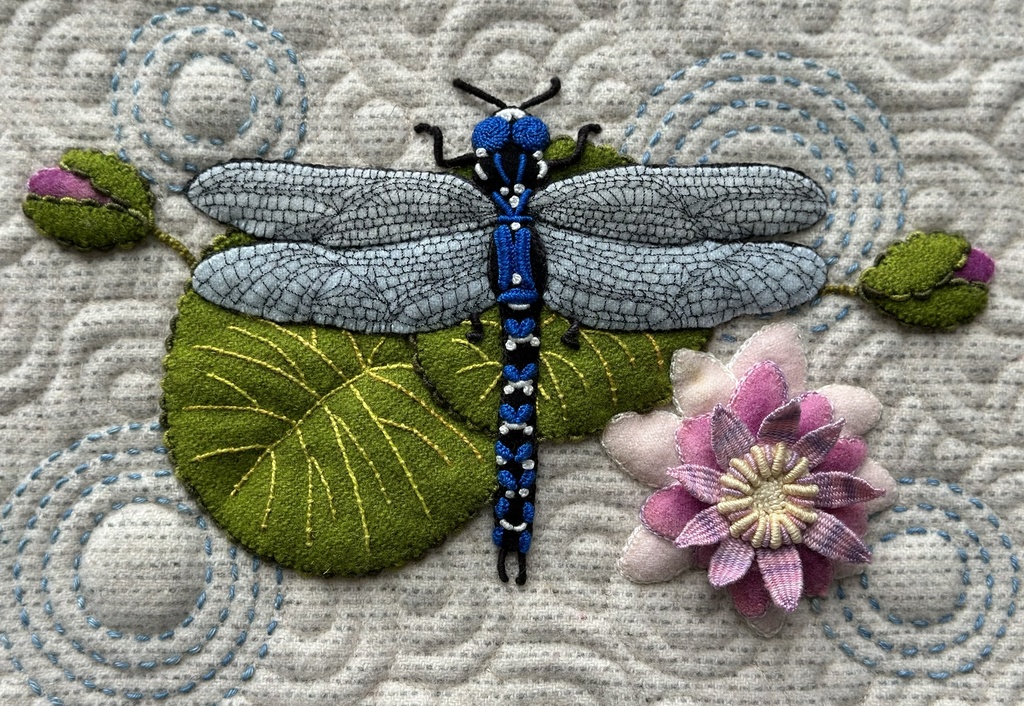
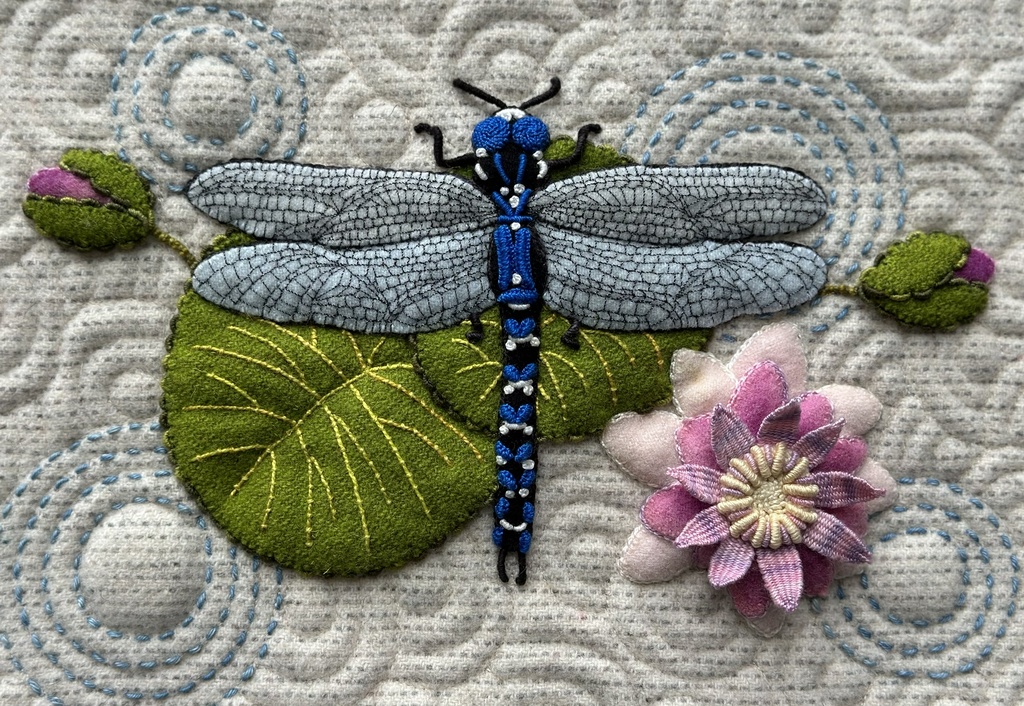
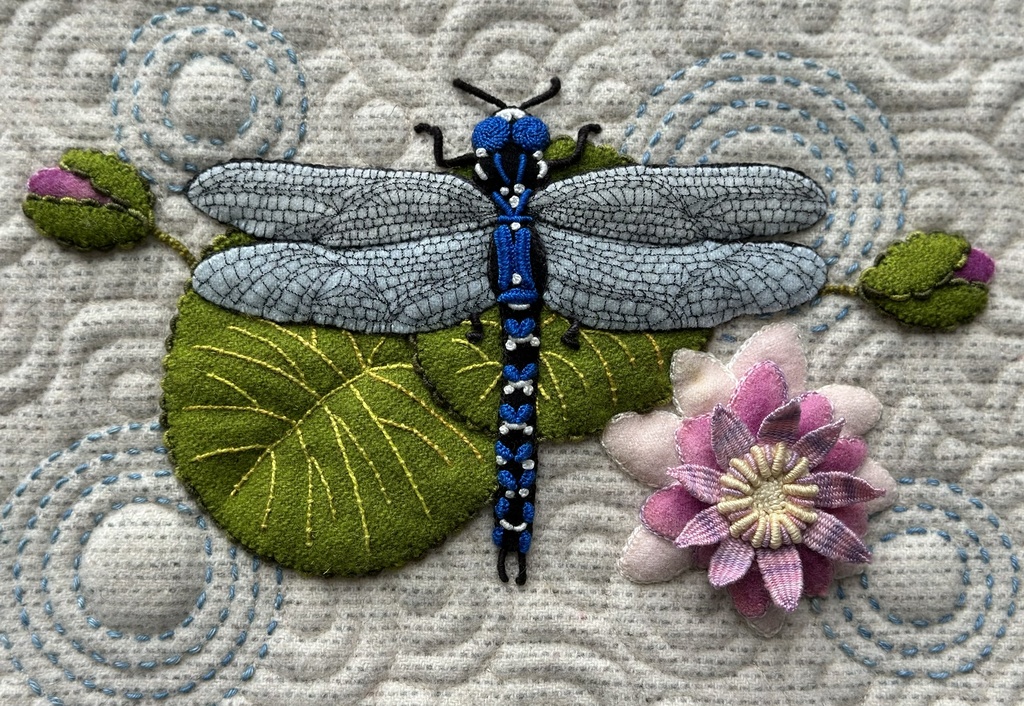
The paste is made from steamed rice flour and rice bran and can be plain or colored. There is a free hand drawing method to apply rice paste called Tsutsugaki. The combination of Katazome, Tsutsugaki, hand painting, and embroidery has been used for Kimono fabric (known as Yuzen). The pictures shown in this calendar posting for Professor Purdue’s Katazome Workshop are of work by her students at Western Washington University.
------------------------------------------------------------------
Instructor: Seiko Purdue will introduce all steps of basic Katazome: design making, paste making, paste application, and color application. The students will repeat the one stencil design differently and make a few different works. She will also introduce Bingata (Katazome in Okinawa), students works and professional artist’s works through visual presentations.
Skill Level: Universal. All skill levels are welcome.
Age Level: 14+.
Materials Fees: are included in the price of the class.
Bring a bag lunch each day of the workshop. We have a refrigerator for you to store your lunches.
Instructor Bio: Seiko Atsuta Purdue is an Associate Professor in the Fibers/Fabrics area in the Department of Art at Western Washington University. She teaches various textile processes including Shibori, Katazome, Ikat, and papermaking. She received a Masters of Fine Arts from the School of the Art Institute of Chicago. She has exhibited widely in the United States, Canada, Japan, Ukraine, and Lithuania. In December 2005, she produced an art book as a 10-year retrospective of her ongoing art inquiry “Wish Tying.” In fall 2007 she co-curated a textile exhibition, “Fabric of Identity,” that investigated the representation of identities from a number of different perspectives. In 2011, she collaborated with her colleague Cara Jaye on an extension of the wish project, “Lofty Aspiration,” a large-scale paper sculpture made for the 50th Anniversary of the Viking Union at WWU. In 2017 she curated the exhibition, “Coded Threads: Textiles and Technology” at the Western Gallery WWU.
Much of her work is installation-based, using fiber materials (handmade paper, polyester, etc.) or ideas of fiber, seeking to connect East and West. She explores both traditional and contemporary textile techniques, as well as casting and digital media, and also involves the public in her art-making. You can see more of her work at her website, http://www.seikopurdue.com