About
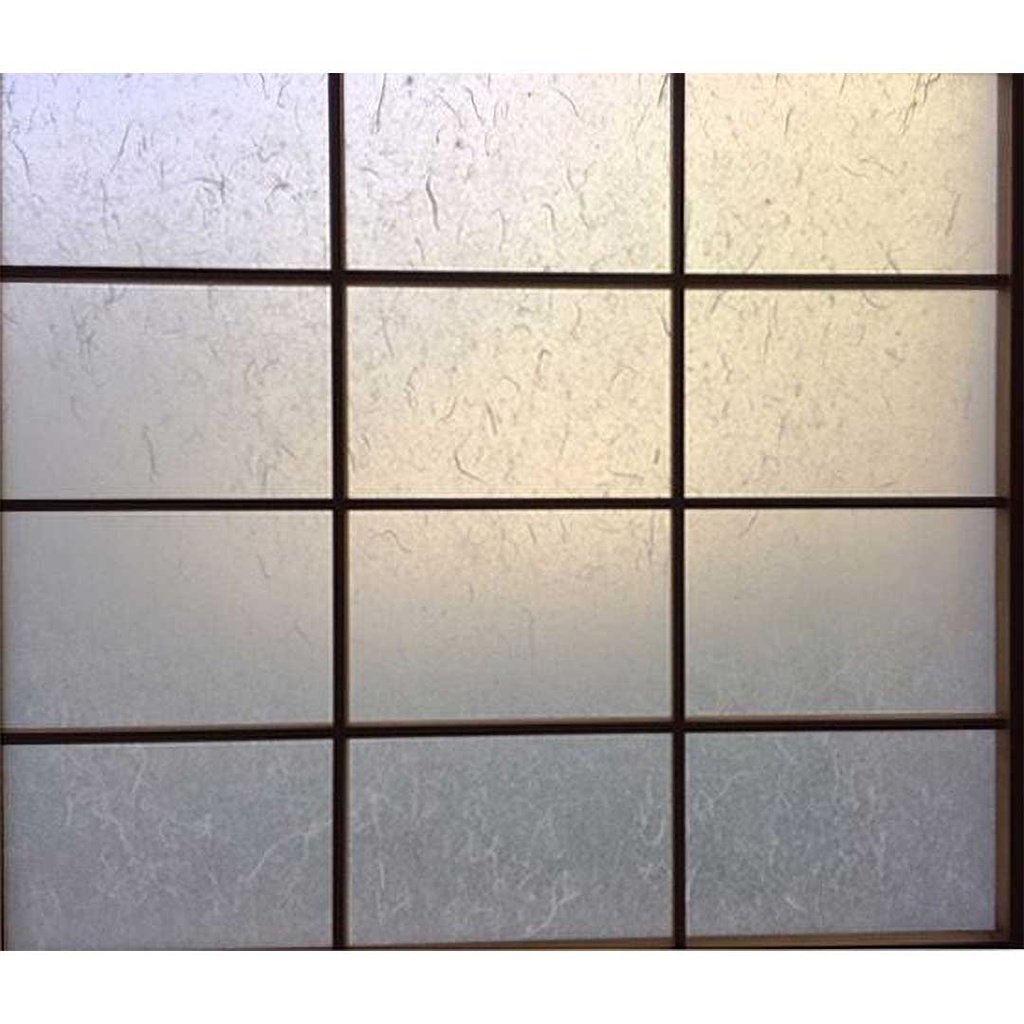
Make a shoji screen as you learn to work with Japanese layout tools, chisels, planes and saws. You'll also learn about traditional proportions for shoji, the terminology involved, and how to work with rice paper, the traditional covering for the lightweight wooden framework on these elegant panels.
You can hang your screen, about 18 by 24 inches, in a window or skylight and enjoy the way sunlight filters through the translucent paper, or adapt your screen as a cabinet door. If you want to create a sliding door, the traditional use of shoji, you will need two or three screens and will need to make the others on your own, using what you learned in this class. You can also use shoji in a set of three to create a freestanding, folding screen.
Details:
- This class is open to beginners 14+ years old, but it is also designed for seasoned woodworkers who want to explore these tools and methods.
- BARN will supply the wood, paper and necessary tools, but you are also welcome to bring and use your own tools.
- Depending on your pace, you may need to work on your shoji during Open Studio time or at our Friday evening Hand Tool Nights in order to complete it by the end of the class. To participate in these sessions, you must first take our free, one-hour Orientation to the Woodshop class. See dates on the calendar. (Use of the shop during these times is always free for members. Non-members can also use the shop without an additional charge for the duration of this class.)
Instructor: Gary Bella grew up in western Pennsylvania. After college and art school, he moved to the Bay Area in California and began working in Marin County with several firms in residential construction. Later, he specialized in finish carpentry while developing a design/build business. He took classes with traditional Japanese teahouse carpenter Makoto Imai and later worked primarily with Makoto building traditional houses and tea houses in California, New York and Washington. After he moved to Bainbridge in 2003, he continued to build Japanese-inspired projects for private clients. He was among the craftsmen who restored the Japanese guest house at the Bloedel Reserve.